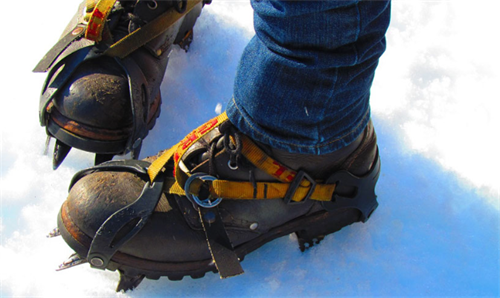
Bieszczady: Poland's Remote Eastern Wilderness
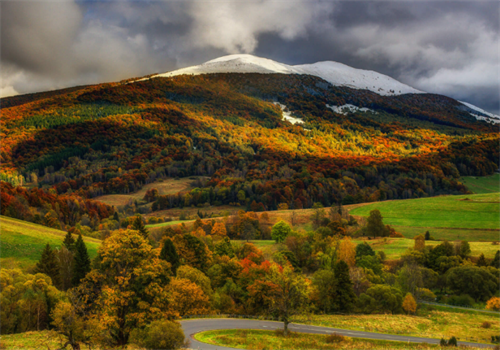
By Elias Thorne | Release date: May 7, 2026 | Reading Time: ~12 minutes
Author Background: Elias Thorne is an outdoor travel writer focusing on remote trekking routes, mountain communities, and long-distance hiking culture across Eastern Europe, Central Asia, and South America. His work centers on practical route analysis, seasonal conditions, and the realities of traveling in less-developed mountain regions rather than luxury tourism. He has spent years researching trekking infrastructure, trail logistics, and changing tourism patterns in destinations such as Albania, Montenegro, Oman, and Patagonia. His articles combine publicly available research, guidebook references, and field reports from hiking communities to help readers better understand remote routes before planning their own journeys.
The Bieszczady Mountains sit at Poland's southeastern corner, bordering Slovakia and Ukraine. According to 2024 data from Poland's Central Statistical Office (GUS), Bieszczady County hosted just 2,910 foreign visitors throughout the entire year — ranking 379th out of Poland's 380 administrative counties. That number says everything. This is not the Tatras, an international hiking hotspot with cable cars and Instagram crowds. Bieszczady demands that you recalibrate your expectations.
Bieszczady National Park (BdPN) is Poland's third-largest national park, covering roughly 292 square kilometers. The park administration's 2024 visitor monitoring report recorded approximately 694,400 trail visits for the year. Summer months (July–August) accounted for about 39.7% of annual traffic, and this proportion has been declining gradually. What this means in practical terms: avoid the Polish holiday period in July and August, and you will encounter significantly fewer people on the trails.
The core difference is infrastructure. The Tatras offer cable cars, well-connected mountain shelters, and frequent rescue stations. Bieszczady relies on buses, private vehicles, and scattered mountain huts (schronisko). From Kraków, the drive takes roughly five to six hours via Rzeszów and Sanok. That journey itself filters out casual visitors. Not everyone is willing to invest that much travel time for peaks that barely exceed 1,300 meters.
Geography and Terrain: What Kind of Mountains You're Actually Entering
Bieszczady belongs to the westernmost edge of the Eastern Carpathians. The highest peak in Poland's portion, Tarnica, reaches 1,346 meters. That elevation figure is misleading. The defining characteristic here is not sharp rocky summits but rolling ridgelines, open alpine meadows (połonina), and dense beech primeval forest.
The park administration divides the hiking area into five main mountain groups: Tarnica-Halicz, Połonina Wetlińska and Smerek, Połonina Caryńska, Rawki, and the Upper San Valley. The Tarnica-Halicz zone traditionally draws the most visitors, yet its share of total traffic dropped from 40.4% in 2021 to 34% in 2024. Meanwhile, the Połonina Wetlińska zone saw its share rise by nearly ten percentage points — a shift directly tied to the reopening of the Chatka Puchatka II mountain hut.
The terrain reality that catches many hikers off guard: Bieszczady's "gentle" slopes can drain more energy than the Tatras' steep ascents. The continuous rolling ridgelines mean multiple elevation gains and losses within a single day. After rain, mud becomes a serious factor. The park administration's trail monitoring data notes that the 6-kilometer one-way route from Wołosate to Tarnica is officially rated at 2.5 hours. Actual times vary considerably depending on surface conditions.
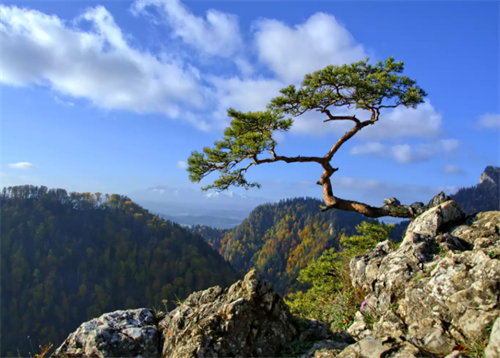
Best Seasons and Weather Realities
Independent travel guides consistently identify June through September as the primary hiking window. Daytime summer temperatures typically range from 18°C to 25°C, though afternoon thunderstorms are common. Autumn (September–October) brings spectacular beech foliage color changes, but nighttime temperatures can approach freezing, and daylight hours shrink noticeably.
Park administration statistics reveal a notable trend: autumn weekend traffic is climbing. On October 19, 2024, the Tarnica zone recorded 3,164 visitors in a single day — a seasonal record. This reflects the growing appeal of the "golden beech" phenomenon, but it also means that popular autumn weekends now approach summer-level congestion on certain trails.
Winter hiking presents a different set of realities. Snow depths are substantial, trail markers can be buried, and most mountain huts close for the season. Winter visits reached 61,300 in 2024, up dramatically from 1,200 in 2021, though the absolute numbers remain small. Winter hikers need skills in avalanche assessment, crampon use, and GPS navigation.
One factor often underestimated by first-time visitors: insects. Meadow and forest zones host significant mosquito populations during summer months. Insect protection should be considered essential gear, not optional.
Core Hiking Routes: From Day Trips to Multi-Day Traverses
The Main Ridgeline Highlights
The most representative multi-day route runs Połonina Caryńska → Połonina Wetlińska → Tarnica. This traverse covers Bieszczady's most open meadow landscapes and the most dramatic transitions into primeval forest.
Park administration data from 2021–2024 shows the following average summer visitor distribution across major trails:
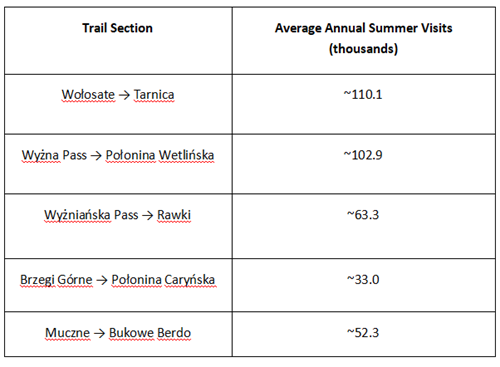
The data indicates that the Połonina Wetlińska direction has experienced the most significant growth in visitor numbers, while the Połonina Caryńska direction has remained relatively stable or even declined slightly. For hikers seeking quieter trails, the Caryńska route may offer more solitude.
Solid Day-Hike Options
The Tarnica out-and-back from Wołosate remains the most popular single-day choice. The round trip covers roughly 12 kilometers and is officially rated as "moderate" difficulty. The final summit push involves steeper grades, and the summit itself is frequently windy. During the 2024 May holiday period, this route recorded a single-day peak of 2,238 visitors. Starting early is the most reliable strategy for avoiding crowds.
Border Zones and Special Permits
The Poland-Ukraine border cuts through the mountains, and several trails run near or within the border buffer zone. According to public information from the Bieszczady Border Guard Unit, border crossing points — such as the Beskid Pass near Wołosate — operate only during specific periods and require valid passports with full border control procedures. During the 2024 May holiday, this temporary crossing operated for five days, from 9:00 AM to 6:00 PM.
For standard hiking, the park administration requires all visitors to purchase entry tickets at designated sales points. Tickets are valid for the day of purchase only. In border-adjacent areas, ticket purchases may need to be completed on-site due to limited network connectivity for electronic payments.
Gear Recommendations: A Practical Checklist Based on Terrain
Footwear selection requires particular attention. Bieszczady trail surfaces mix muddy sections, exposed tree roots, and loose rock. Mid-cut hiking boots offer better ankle support and waterproofing than low trail runners, especially after rain. Park trail monitoring reports repeatedly cite muddy surfaces as a significant factor affecting hiking pace.
Rain protection should take priority over sun protection. Bieszczady "showers" tend to last longer and drop temperatures more sharply than in lower-elevation regions. A layered clothing strategy works better than relying on a single heavy jacket.
Water purification: mountain hut water sources are generally reliable, but ridgeline crossing days require carrying sufficient drinking water. The park prohibits kayaking and floating devices in rivers and streams, which indirectly signals strict water source protection.
Regarding sleeping bag temperature ratings: summer nighttime temperatures in Bieszczady can drop below 5°C, and autumn nights approach freezing. A common preparation shortfall is underestimating the nighttime temperature drop.
Safety and Logistics: Details That Matter
Communication and Trip Reporting
Cellular coverage in Bieszczady has significant dead zones. The park administration recommends that winter hikers file trip plans with the mountain rescue service (GOPR) before departure. While not mandatory in summer, reporting your expected arrival time to mountain huts or accommodation hosts is a prudent practice for multi-day ridgeline traverses.
Wildlife: The Bear Reality
Bieszczady holds one of Poland's highest concentrations of large mammals. According to Poland's Ministry of Climate and Environment, an estimated 20 brown bears operate within the park boundaries. In March 2026, the Polish government launched a 16.05 million złoty (~€3.7 million) comprehensive brown bear conservation and human safety program. The plan deploys 20-person specialized intervention teams in the Bieszczady and Tatra regions and includes fitting bears with tracking collars.
Population estimates for brown bears in Poland range from 120 to 400 individuals, with the majority concentrated in the southeastern Bieszczady region, and numbers appear to be increasing. In early 2026, a hiker was attacked by a bear on a forest trail just 300 meters from a village in the Podlaskie region.
Standard encounter protocol: back away slowly, avoid running — brown bears can reach speeds of 50 km/h. Staying on marked trails and not leaving food waste are effective measures for reducing encounter probability.
Mountain Huts and Logistics
Bieszczady's mountain hut (schronisko) network is sparser than the Tatras'. Chatka Puchatka II, located near the summit of Połonina Wetlińska, is the highest tourist accommodation in Bieszczady. Its reopening directly reshaped visitor distribution across the region. Bookings typically need to be made several weeks in advance, and some huts offer only basic bunk beds and simple meals.
Food expectations should be adjusted accordingly. Hot meal availability at Bieszczady huts is less consistent than in the Tatras. Carrying high-calorie backup food is a practical necessity. Local specialties include kwaśnica (sour rye soup) and banosh (a cornmeal porridge with sheep cheese and bacon).
Transport and Payment
Public transport from Kraków or Rzeszów to Ustrzyki Górne relies primarily on buses with limited frequency. Driving offers more flexibility, but be aware that designated park parking areas charge fees.
Cash remains essential. Some mountain huts and remote villages do not accept credit cards. Polish złoty in cash is not optional — it is necessary.
Culture and History: Bieszczady Is More Than Scenery
Bieszczady's human landscape is as significant as its wilderness, and considerably heavier. Before World War II, the region was home to Ukrainians, Boykos, Lemkos, Poles, Jews, and Roma communities.
Operation Vistula in 1947 fundamentally altered the region's demographic fabric. Under forced resettlement policies, thousands of residents were given as little as five minutes to thirty minutes to leave their homes. Houses were burned, families were deported to distant locations. This event left Bieszczady largely depopulated for decades. Farmland was abandoned, forests reclaimed former villages.
Today's hikers still encounter traces of this history: abandoned village sites, surviving Orthodox wooden churches, and an unusual stillness in certain areas. The Orthodox wooden church route makes a worthwhile cultural hiking detour. These churches stand as physical testimony to the Boyko and Lemko communities that once inhabited these valleys.
Budget and Itinerary Planning Template
For a five-day, four-night main ridgeline traverse, cost components break down roughly as follows:
Transport: Kraków round-trip bus or car rental;
Accommodation: Mountain hut beds (priced per person, varying by facility and season);
Food: Hut meals plus self-carried provisions;
Entry fees: Park trail entry fees (charged during the April 13–November 17 season);
Insurance: Specialized travel insurance including mountain rescue coverage;
Compared to the Tatras or Slovakia's Fatra range, Bieszczady generally costs less overall. However, the time cost is significantly higher — both travel time to reach the region and hiking time on the trails.
One practical recommendation: build in an extra night in Ustrzyki Górne or Wetlina as a buffer day. Bus schedules and weather variability can both cause delays. A buffer day reduces itinerary stress substantially.
FAQ
Q: Is Bieszczady suitable for someone visiting Poland for the first time?
If you are an experienced hiker but new to Poland, Bieszczady is manageable with more thorough logistical preparation than the Tatras would require. If you are a complete beginner, the Tatras' infrastructure is more forgiving.
Q: Is a guide necessary for the main ridgeline traverse?
For hikers with multi-day trekking experience and navigation skills, Bieszczady's marked trail system is sufficiently clear. In winter or severe weather, hiring a certified guide is the prudent choice. Park regulations require certified mountain guides for organized youth and children's groups.
Q: How widely is English spoken in Bieszczady?
Mountain huts and major visitor points usually have basic English capability. Remote villages and bus drivers often have limited English. Learning a few basic Polish phrases significantly improves the experience.
Q: How bad are the mosquitoes in summer?
Meadow and forest zones have significant mosquito populations during summer. Insect repellent and long sleeves are essential. Higher ridgeline areas tend to have fewer insects.
Q: Can I hike with a dog?
Park regulations prohibit dogs on tourist and nature trails, except along public roads. Assistance dogs for people with disabilities are exempt.
Q: How should I book mountain huts?
Individual huts typically operate their own booking systems, some by phone or email. Contacting target huts directly is recommended. Third-party booking platforms have limited coverage in this region.
Q: Does the Poland-Ukraine border situation affect hiking?
Standard hiking routes are not directly affected. However, movement in border buffer zones may face temporary restrictions. Cross-border hiking is only possible at designated temporary crossing points during announced open periods, and requires complete documentation.
References
[1] Take Your Backpack. "Bieszczady Mountains National Guide (Poland, 2026)." Independent travel guide covering seasonal considerations, transport, costs, and safety recommendations.
[2] Bieszczady National Park Administration. "Ruch turystyczny w Bieszczadzkim Parku Narodowym w latach 2021-2024." Official park visitor traffic statistical report, including trail visit numbers, monthly distribution, and regional comparisons.
[3] Poland.gg / GUS Data. "Tourism in Bieszczadzki County 2024." Regional tourism statistics based on official Polish Central Statistical Office data, including foreign visitor numbers and accommodation data.
[4] Polish Ministry of Climate and Environment. "Protecting the brown bear and improving the safety of the inhabitants of Podkarpacie and Małopolska." March 2026 official press release detailing brown bear conservation program specifics and population estimates.
[5] Notes from Poland. "Poland launches scheme to protect bears and their human neighbours." March 2026 report based on TOK FM and Polskie Radio independent news analysis, including bear population estimates and recent human-bear conflict incidents.
Disclaimer
This article is compiled from publicly available official sources, independent travel guides, and statistical reports. It is intended as general travel information and does not constitute professional mountaineering guidance. Weather conditions in the Bieszczady mountains change rapidly, and border regulations may be adjusted without advance notice. Before traveling, verify current regulations with the Bieszczady National Park Administration (bdpn.gov.pl) and the Polish Mountain Rescue Service (GOPR). Hiking involves inherent risks, including wildlife encounters, sudden weather changes, and terrain-related injuries. Readers must make independent judgments based on their own experience and fitness levels. All hikers are strongly advised to purchase specialized travel insurance that includes mountain rescue coverage, and to file trip plans with relevant authorities before departure. The authors and publisher assume no liability for travel decisions based on information contained in this article.
Recommend for you:
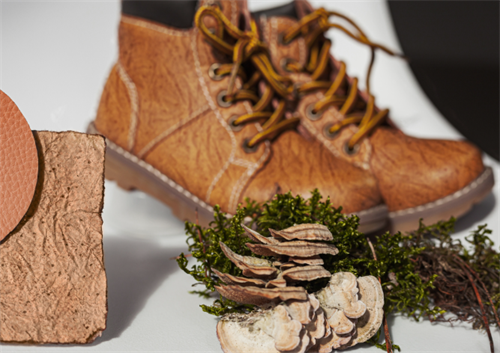
Mycelium-Based Gear: How Mushrooms Are Becoming the Future of Hiking Equipment
By 2026, mycelium leather isn't just a lab curiosity anymore.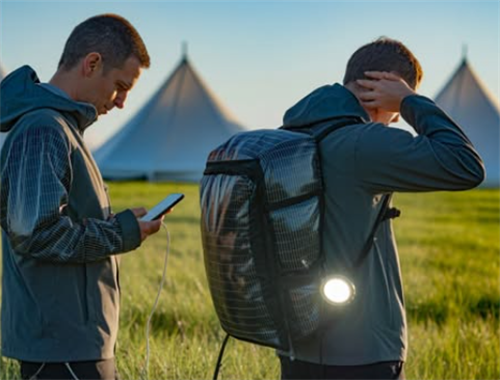
Solar Fabric Tents and Self-Heating Jackets: The Next Generation of Gear
Two ideas keep surfacing in hiking circles these days: tent fabric that generates electricity, and jackets that warm themselves up.
No More Missing Hikers? How AI-Powered Search-and-Rescue Drones Operate
Hikers go missing for reasons that sound almost mundane: a weather front rolls in faster than expected, someone loses the trail, a phone battery dies, and the last thread of contact snaps.
First Hikers Using Starlink: What High-Speed Internet Does to the Wilderness Experience
In June 2024, SpaceX launched the Starlink Mini. It weighs 1.1 kg (2.43 lbs), according to SpaceX’s official specifications page, or 1.53 kg (3.37 lbs) with its 15-meter DC power cable and kickstand—and it fits in a backpack.